What Is a Subscription, and When Does It Make Sense?
Milk deliveries, magazines, and software help explain where subscriptions came from, how they differ from one-time purchases and installments, and when they work for customers and merchants.
A newspaper can be bought one copy at a time or subscribed to for a year. For a daily reader, home delivery saves a trip to the newsstand. For the publisher, a subscriber list helps determine how many copies to print and where to send them. People were buying newspapers this way long before online payments existed.
Milk deliveries, video streaming, and monthly software plans all count as subscriptions today, though they involve different work. Some require regular deliveries, some provide content, and some keep a service running. Payment need not be monthly: a newspaper subscription can be paid for the whole year in advance.

What are you subscribing to?
A subscription arranges for goods or services over a period of time. Pay for a magazine in January, and the publisher sends each issue as it comes out. Pay for cloud storage each month, and the provider keeps your files and makes them accessible throughout that period. Even if you never open your photo library or use a new feature that month, the files still need to be stored.
A subscription service does not have to keep inventing features. For cloud storage, the first requirement is that your photos remain safe and available when you want them. With milk delivery, getting the milk on time is useful enough; there is no need for a new flavor every day.
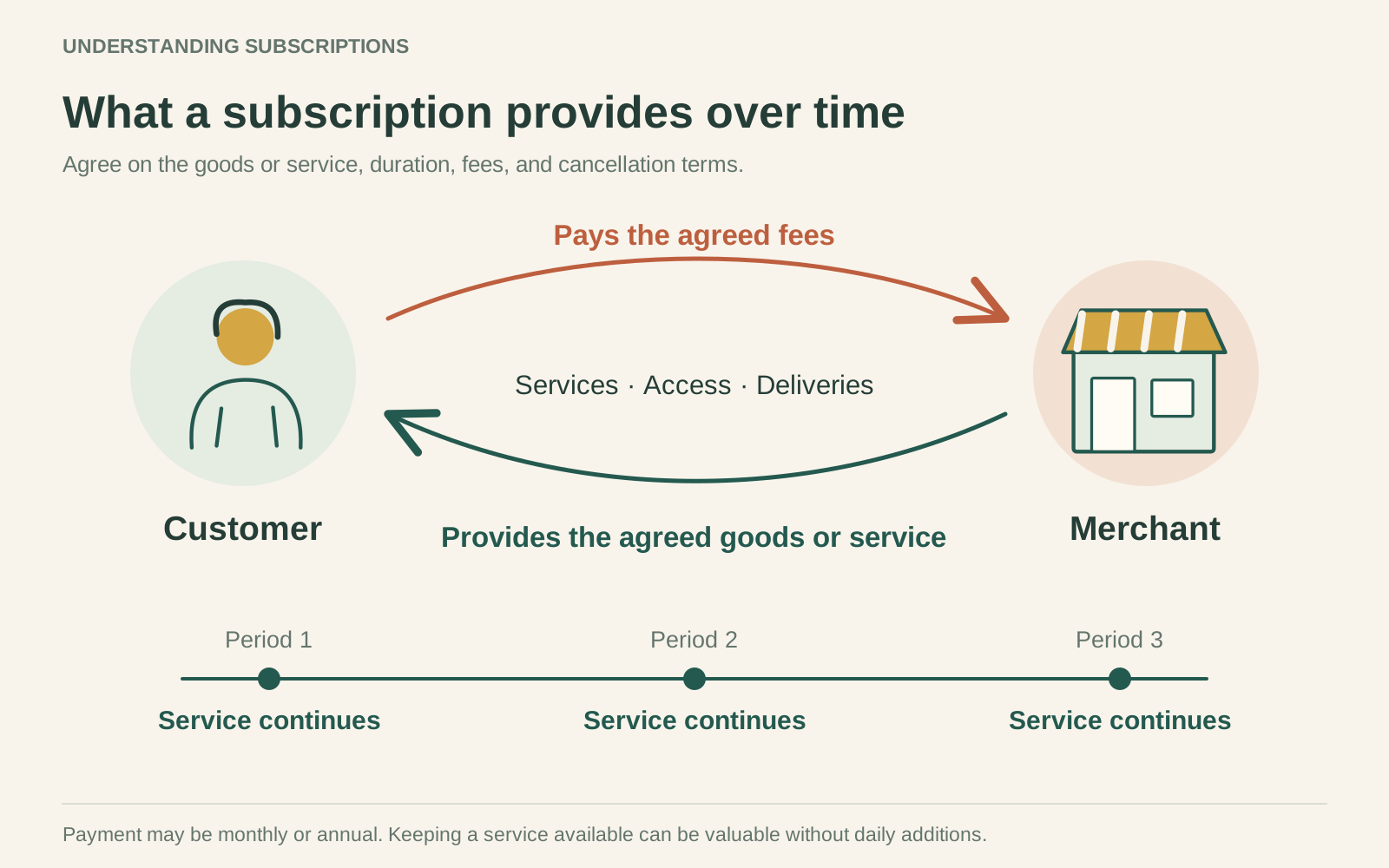
Whether you own what you receive depends on the product. The milk belongs to the household once delivered. A streaming subscription generally grants access to content only while the subscription remains valid.
Installment payments are a different arrangement. If you pay for a phone over twelve months, each payment goes toward the same phone you received at the start. After the first issue of a twelve-month magazine subscription arrives, the publisher still has eleven more issues to produce and send.
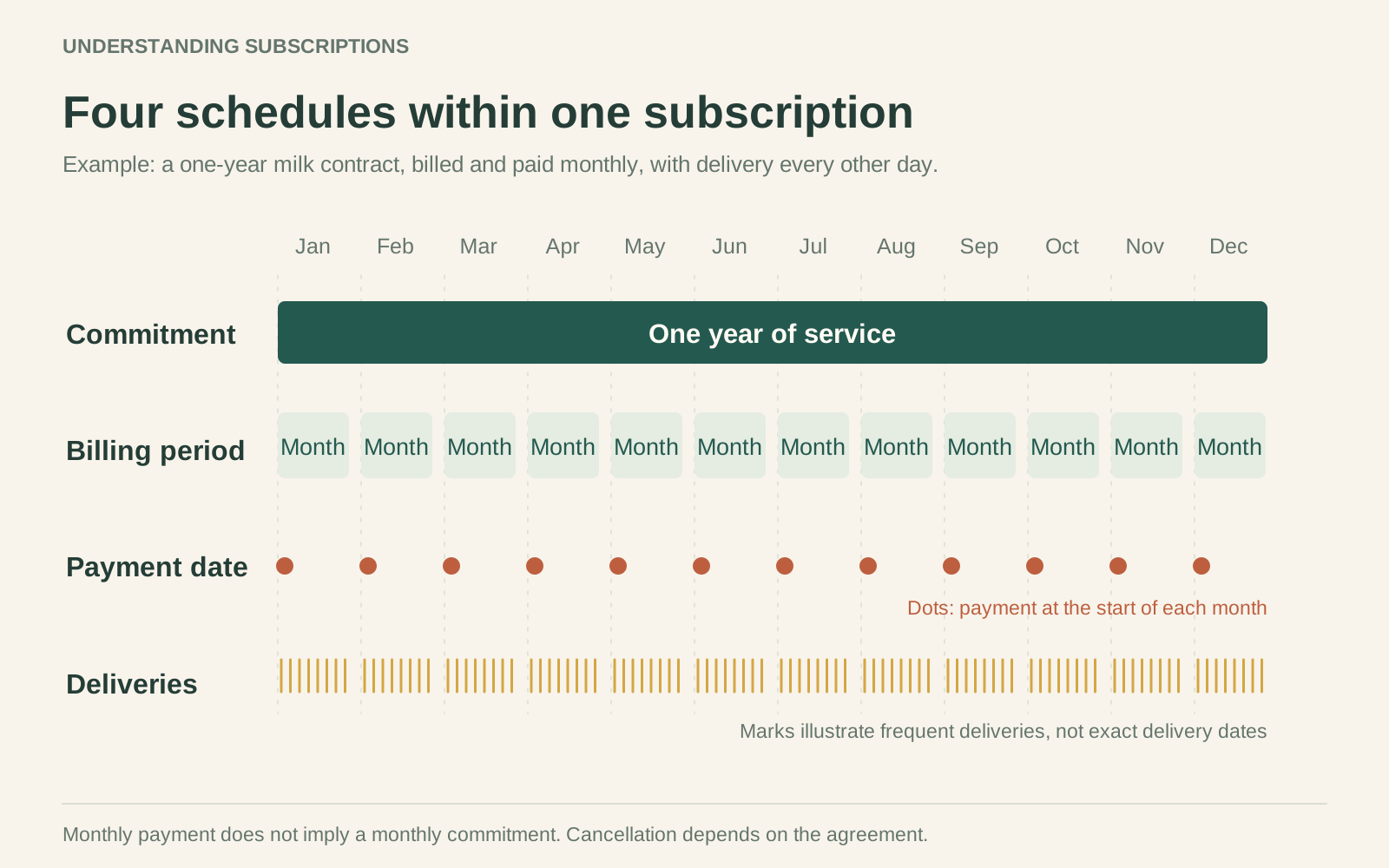
The contract term and payment interval can differ too. A milk delivery agreement might last a year, with monthly billing, payment on the first of each month, and delivery every other day. Seeing “monthly payments” does not establish that the commitment lasts only a month. The agreement still determines what happens if you want to leave early.
Where subscriptions came from
Publishing offers one way into this history, though the word subscription did not always mean what it does on a monthly software plan.
In seventeenth-century England, some books were published by subscription. Specialist books had limited audiences and were expensive to produce. Authors and publishers gathered commitments to buy before going ahead with publication. Athenae Oxonienses, published in 1690–1691, is a documented example with lists of subscribers and their occupations or social positions. A study of subscription publishing
In modern terms, this is closer to preordering. Readers committed to one book, not to buying another every month. It helps explain an earlier use of the word, but should not be treated as identical to today’s recurring subscription.
Newspaper and magazine subscriptions are more familiar. A reader commits to the coming year’s issues, and the publisher produces and delivers them over that year. The publisher does not have to win every reader back for each issue, and readers do not need to place a fresh order each time.
Another arrangement pools money to make a collection available to members. In 1731, Benjamin Franklin and his associates established the Library Company of Philadelphia. Members contributed forty shillings and committed to paying ten shillings annually to acquire books and maintain the library. A reader could gain access without buying the entire collection. The Library Company’s first shareholders
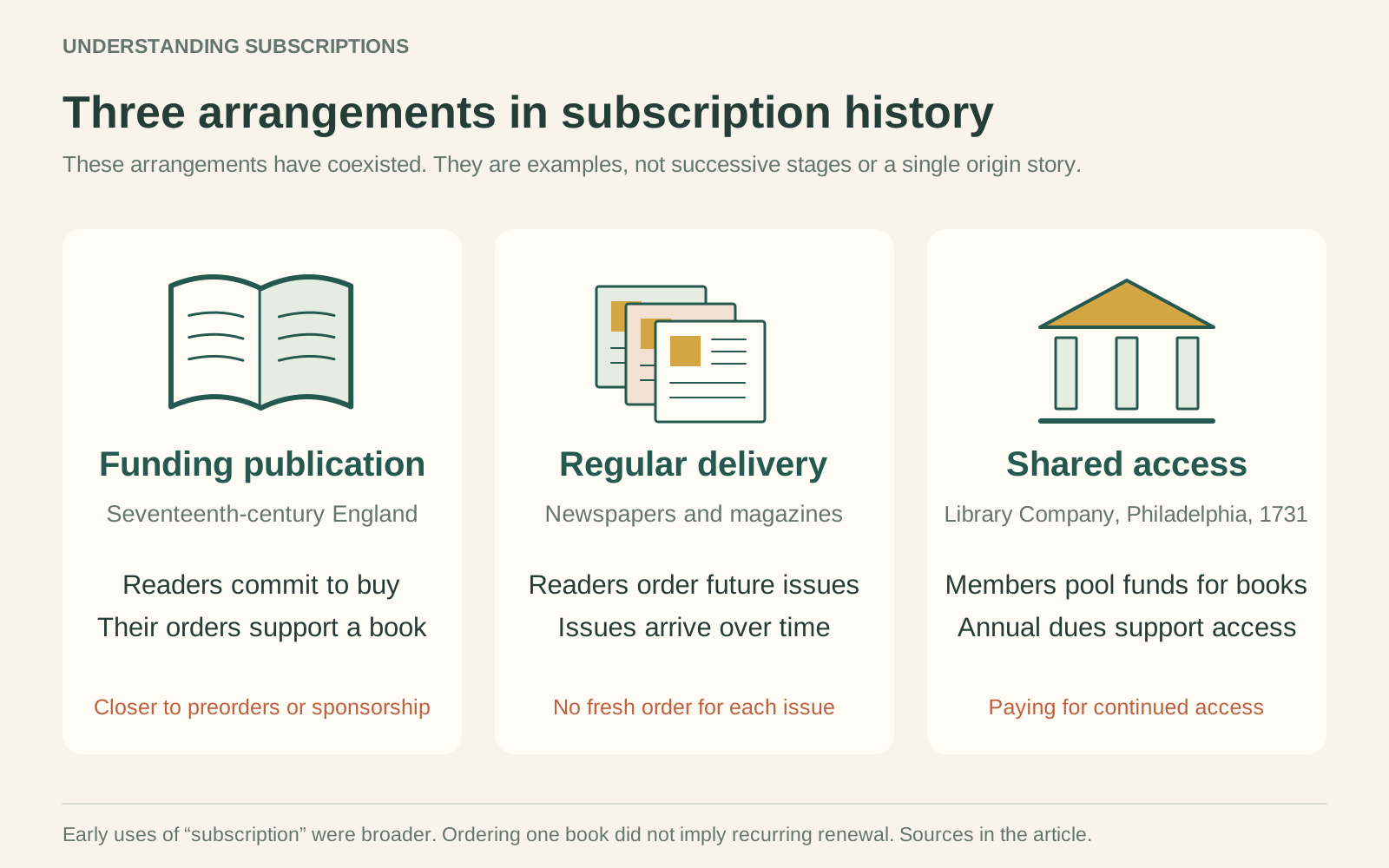
Modern content libraries and software services have features in common with these arrangements. But the history is not a sequence in which one replaced the next. A story that runs from books and newspapers to streaming leaves out businesses such as milk delivery. Households keep needing milk, and suppliers need to plan their routes; fresh content has nothing to do with it.
Why customers and merchants choose subscriptions
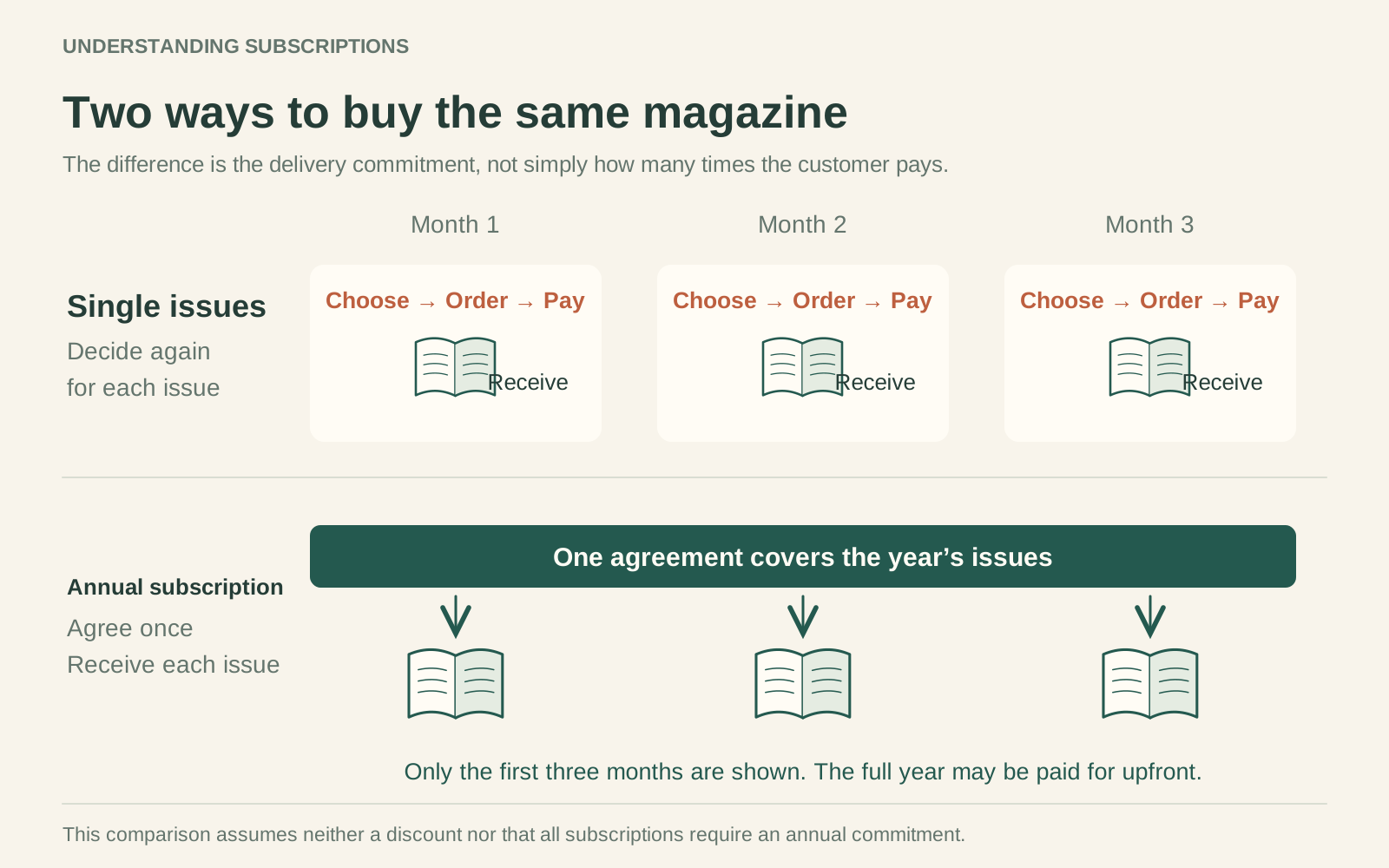
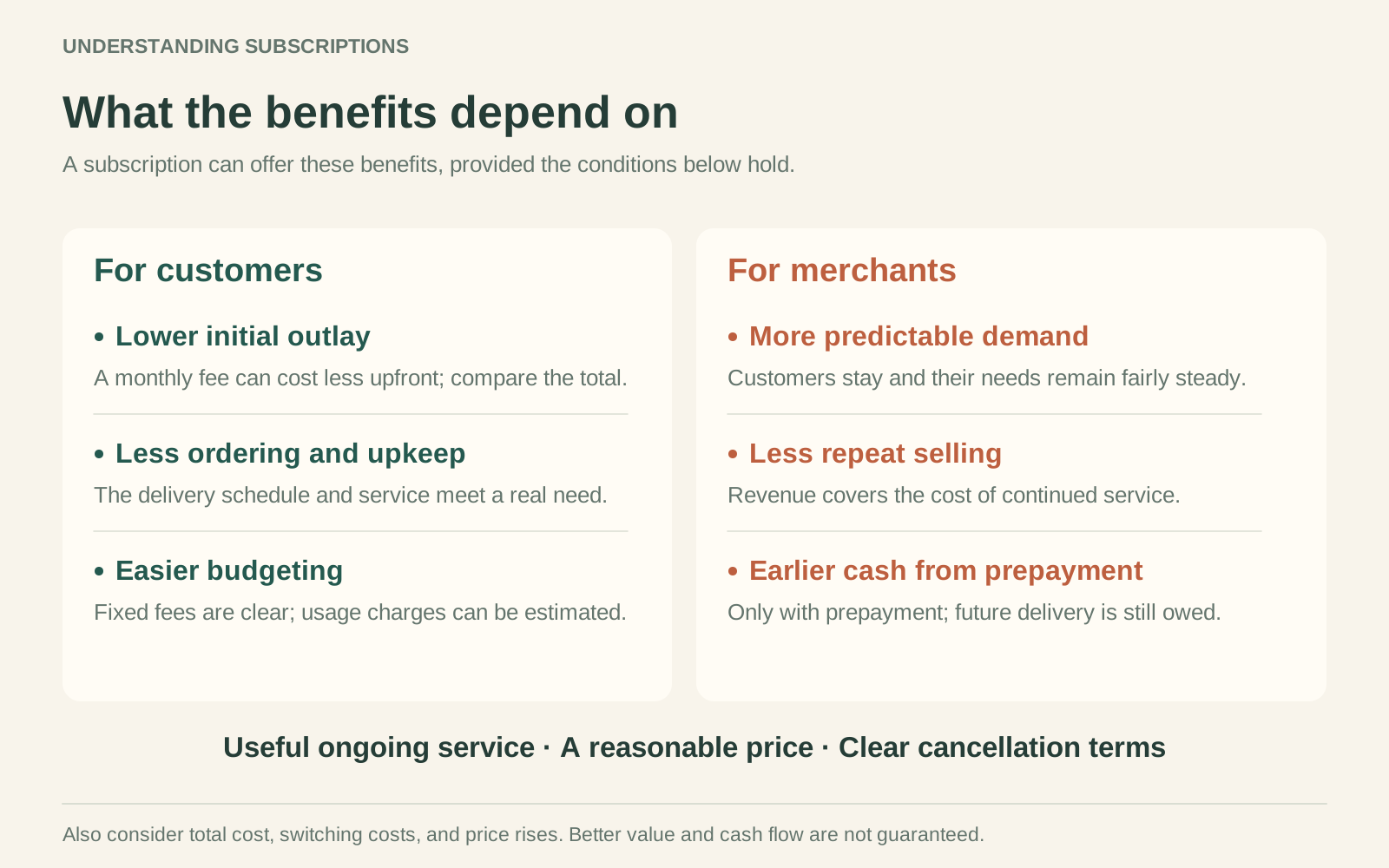
Take the monthly magazine again. A reader buying individual issues can inspect each one before deciding whether to buy it. With annual subscriptions, the publisher knows about some orders in advance, while readers avoid ordering issue by issue.
Knowing some demand in advance can help a merchant plan purchasing, production, and staffing. If eighty households in one neighborhood each order a bottle of milk every day, the supplier has a base order of eighty bottles to prepare and distribute. Eighty households clustered together will, of course, cost less to serve than eighty scattered across half a city.
When existing customers stay, the merchant may spend less on advertising and explaining the product for each new order. Serving those customers still costs money, and that cost still has to come out of revenue.
Annual prepayment can also provide funds for future operations. The reverse is possible: a software business that replaces an upfront license sale with small monthly payments may collect less cash in the short term. If a customer leaves early, their total payments may never reach the old license price.
Customers often subscribe for convenience. A household that drinks milk every day avoids repeated orders. Someone using hosted software can leave server maintenance to the provider. A tool needed for only a few months may cost less on a monthly plan than as a permanent license. A fixed fee is also easy to budget for, though a plan with usage overages can produce a different bill each month.
Is a subscription cheaper?
Consider an illustrative service priced in Chinese yuan (CNY): 15 per use or 60 per month. Assume the service is the same and the monthly plan has no extra restrictions. At four uses a month, both options cost 60. Use it once, and paying per use saves 45. Use it eight times, and the monthly plan saves 60.
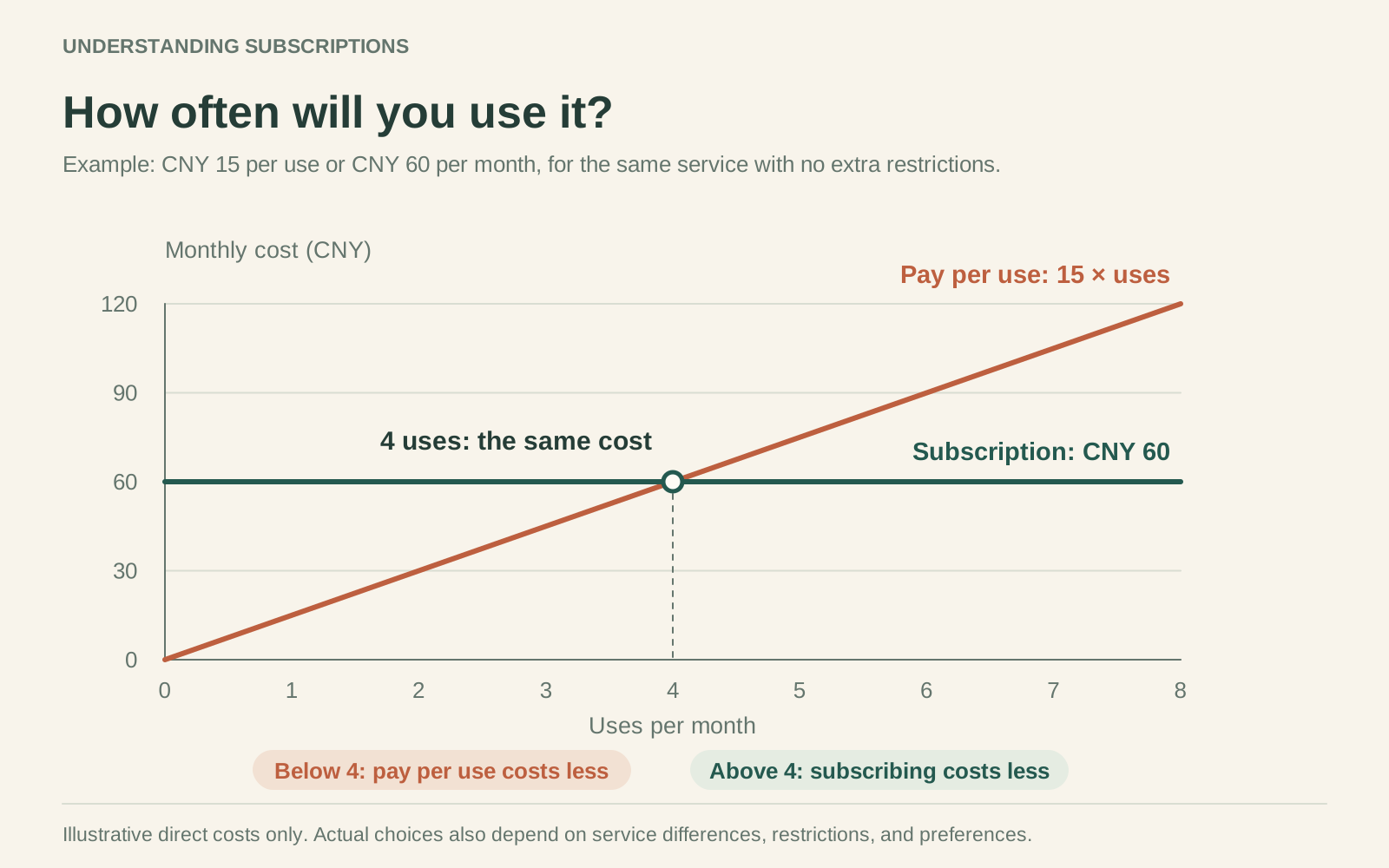
The arithmetic is easy. Predicting your own use is harder. When buying courses, gym memberships, or software, it is tempting to count the sessions you intend to use. Plan for eight visits but make only two, and that CNY 60 monthly fee works out to CNY 30 per visit, more than paying each time.
A merchant has a similar forecasting problem: how long will the customer stay? Suppose acquiring a customer costs CNY 300, the monthly fee is CNY 100, and the variable cost of serving that customer is CNY 25 a month. That leaves CNY 75 each paid month. Four paid months are needed to recover the acquisition cost, before accounting for fixed costs such as product development.
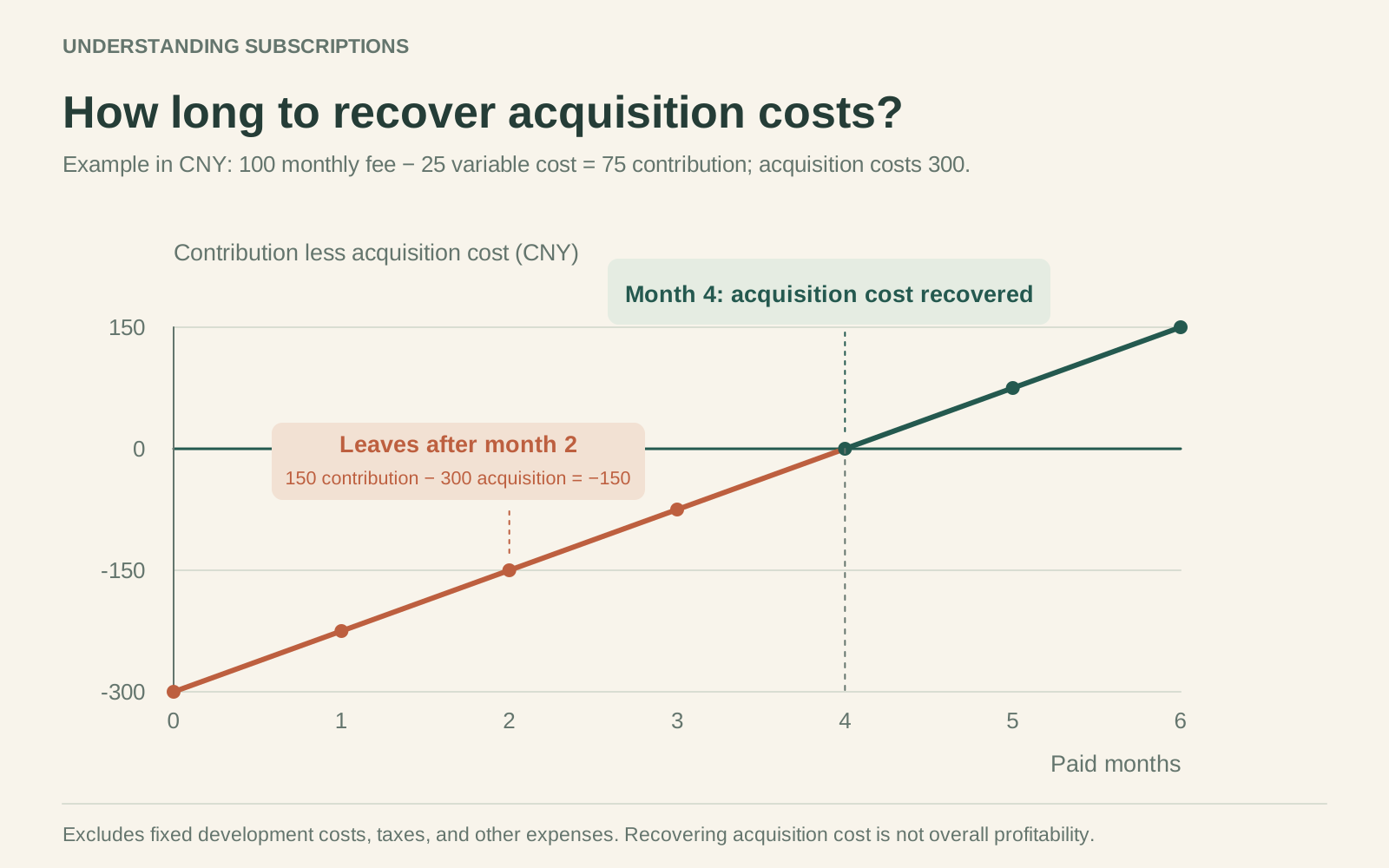
If the customer leaves after two months, the merchant collects CNY 200 and spends CNY 50 serving them. Against the initial CNY 300 acquisition cost, that leaves a shortfall of CNY 150. Buying more advertising under the same conditions can grow the subscriber count while increasing the loss, if the new customers also leave after two months.
A promotion may persuade someone to try a service. Continued payment depends on whether it is useful, reasonably priced, and still needed. The merchant has to look beyond new orders and understand why people leave. Otherwise, the next promotion may buy another group of customers who do not stay long enough to cover their acquisition costs.
Which needs suit a subscription?
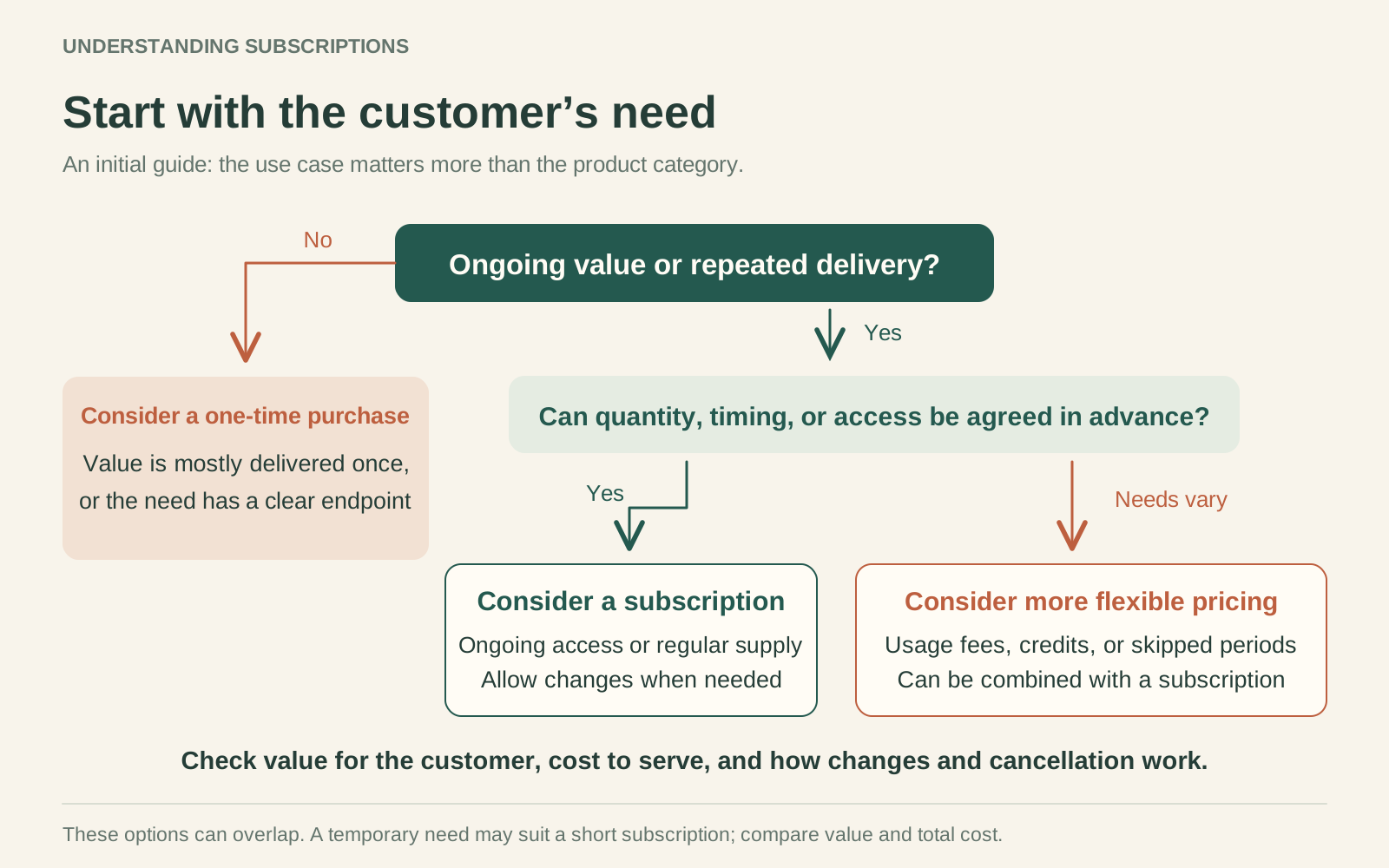
For a household with a steady milk habit, a monthly delivery arrangement can be convenient. Dinner is harder to predict. Needing to eat every day does not mean wanting the same ingredients every week. A vegetable box or meal kit may need options to swap items, choose a menu, or skip a delivery.
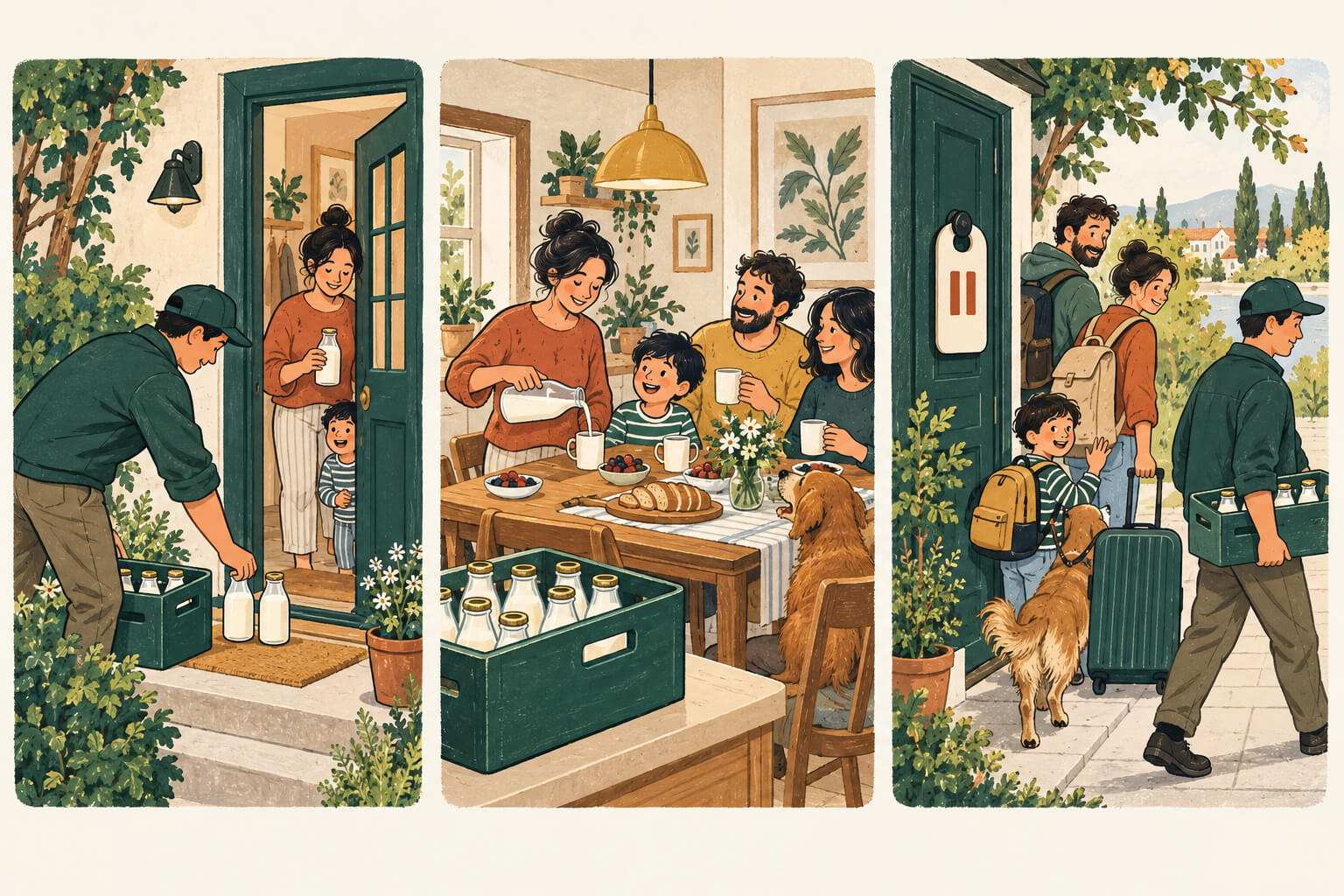
Even milk demand changes. Guests may mean extra bottles; a week away means no deliveries. Advance notice lets the supplier adjust purchasing and loading. Once the vehicle has left, it may be too late to stop that day’s delivery. How easily customers can pause or change quantities affects whether they want to keep subscribing.
Some needs have a natural end. Someone subscribes to a question bank for an exam or a tool for a project. When the exam or project is over, canceling is a reasonable choice. A merchant that forecasts a full year’s revenue from that customer may overlook the departure a few months away.
A durable product such as a sofa may last years before another purchase is needed. Collecting its purchase price over monthly payments is an installment plan. If continuing payments cover maintenance, repairs, or replacement, those services need their own assessment: are they worth subscribing to, and can the merchant afford to provide them?

The product category alone cannot settle the question. A family that drinks milk daily may value delivery; an occasional drinker may prefer to buy a bottle when needed. The same software can be essential to someone’s everyday work and useful to someone else for just one file. The same pricing arrangement need not suit both.
When use recurs but varies in quantity, charging for actual consumption is another option. A base monthly fee can also be combined with usage charges. Subscriptions and usage-based pricing can coexist in one plan.
There is also the question of leaving. Stop a milk delivery, and you can buy milk elsewhere. Leave a cloud storage service, and there may be years of photos to move. How long access lasts after cancellation, and whether files remain downloadable, affects the cost of switching. A customer may keep paying because the service is good, because they forgot to cancel, or because they have not found time to move their files. The renewal rate alone cannot tell those stories apart.
The next article examines Stripe’s subscription design, from plans and billing to invoices and payments.
Loading discussion...
Discussion failed to load. Reload